


Things to Do in Koh Samui: 10 Best Activities (2026 Guide)
Koh Samui is Thailand’s second-largest island, sitting in the Gulf of Thailand off the Surat Thani coast. Chaweng is the main beach and commercial hub; quieter stretches run around the rest of the 50 km coastline. Most visitors arrive by ferry from Don Sak and base themselves in Chaweng or Lamai. Here are 10 things worth your time on Koh Samui.
1. Chaweng Beach
The island’s longest and busiest beach, on the northeast coast — wide white sand, turquoise water, and the full range of water sports, beach bars, and restaurants. Best in the morning before the sun-lounger rows fill. The water is clearest November–April; the Gulf’s east-facing coast gets rough May–October.
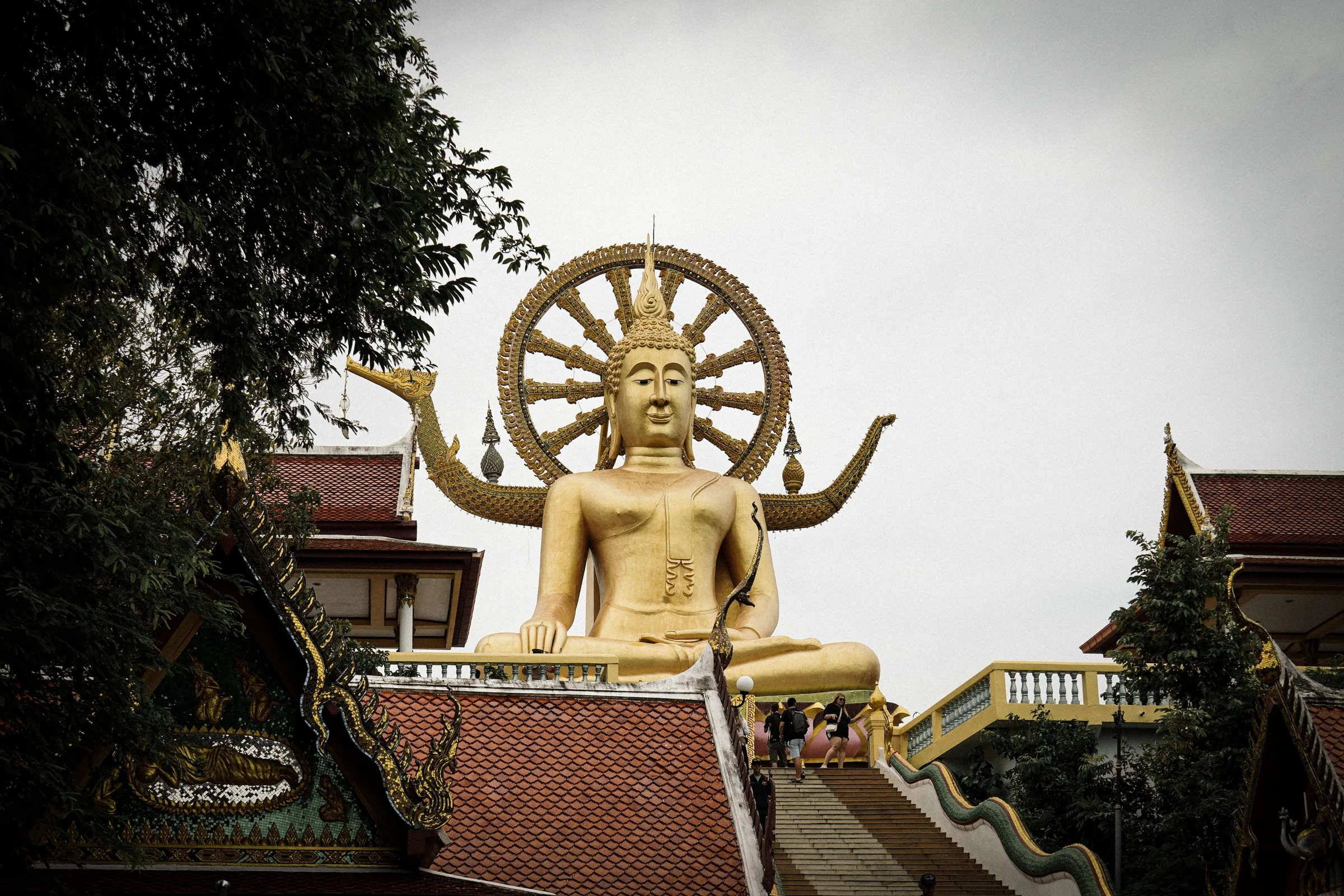
2. Big Buddha (Wat Phra Yai)
A 12-metre golden seated Buddha on a small island connected to the northeast coast by a short causeway. Free entry; dress modestly. The temple is active — monks resident, bells ringing at dawn. The surrounding market sells amulets, fresh fruit, and seafood. Fifteen minutes from Chaweng.
3. Ang Thong National Marine Park
The best day trip from Koh Samui: an archipelago of 42 limestone islands 30 km northwest, accessed by speedboat or catamaran. Hike to the viewpoint for the green-water lagoon that inspired Alex Garland’s novel The Beach. Snorkeling in clear water, sea kayaking through sea caves. Most tours depart at 8:30 am from Maenam or Na Thon pier.
4. Lamai Beach
Koh Samui’s second beach, on the southeast coast — quieter than Chaweng, backed by good local restaurants and cheaper accommodation. The famous Hin Ta and Hin Yai rock formations (Grandfather and Grandmother Rocks) are at the south end of the beach. A better base for those who want the island without the full Chaweng circuit.
5. Fisherman’s Village (Bophut)
A row of well-preserved Chinese-shophouse buildings on the north coast, converted into boutique restaurants, wine bars, and small hotels. The Friday Night Market on the Walking Street is the best weekly market on the island — local food alongside crafts, clothes, and live music. Quieter pace than Chaweng; a short tuk-tuk ride from the Big Buddha.
6. Na Muang Waterfalls
Two waterfalls in the island’s forested interior, about 12 km from Chaweng. Na Muang 1 has a large plunge pool and is accessible by car; Na Muang 2 requires a 45-minute jungle walk. Both are freshwater and worth the swim. Best after the rainy season (late October–December) when flow is highest.
7. Samui Elephant Sanctuary
One of Koh Samui’s ethical wildlife experiences — rescued working elephants in a natural forest setting, no riding. Half-day visits include feeding, bathing, and a guided walk. Pre-booking essential; capacity is limited by design.
8. Secret Buddha Garden
Built from 1976 by a durian farmer in the island’s forested hills — a collection of moss-covered Buddha and deity statues on a steep hillside with views over the south coast. The access road is rough; best reached by hired motorbike or with a local guide. Free or small donation entry.
9. Koh Phangan Day Trip
Koh Phangan is 30 minutes by speedboat from Koh Samui’s north coast — feasible as a day trip outside Full Moon season. Haad Rin (Full Moon Party beach) is the main attraction; Bottle Beach on the north is one of the Gulf’s best swimming beaches, accessible only by boat or an hour’s hike.
10. Nathon Town Market
The island’s administrative capital on the west coast — where the Don Sak overnight ferry docks. The morning market is the island’s best for fresh produce, local sweets, and southern Thai food. Less visited than Chaweng and Bophut. Worth a morning stop if you’re catching an early ferry back.
Getting to Koh Samui with Khao Lak Land Discovery
Travelling from Khao Lak? We run private, door-to-door Khao Lak transfers to the Surat Thani and Don Sak ferry piers — the road-and-ferry gateway to Koh Samui — with fixed prices and English-speaking drivers.
Planning Your Koh Samui Trip
Koh Samui rewards a slower pace than a single day allows. Three to four nights is enough to pair a beach base in Chaweng or Lamai with the island’s two standout day trips — Ang Thong National Marine Park and a Koh Phangan crossing — plus an interior loop to the Big Buddha, Na Muang Waterfalls, and Fisherman’s Village. The Gulf of Thailand runs its own weather clock: the clearest water and calmest seas fall between November and April, while the rest of the country’s Andaman coast is in monsoon. That inverse season makes Koh Samui a strong shoulder-month alternative when Khao Lak and Phuket are wet.
Frequently Asked Questions
How do I get to Koh Samui from Khao Lak?
Koh Samui sits off the Gulf coast, so the route is road-and-ferry rather than a single drive. The usual way is a private transfer from Khao Lak to the Don Sak ferry pier (around 3.5 hours), then the vehicle or passenger ferry across to Nathon. We run private door-to-door Khao Lak to Koh Samui transfers to the Surat Thani and Don Sak piers at a fixed price, so you can time the drive to your ferry.
How many days do you need in Koh Samui?
Three to four nights covers the island comfortably — a beach base plus the Ang Thong day trip and one interior loop. Add a night or two if you plan to day-trip to Koh Phangan or dive around the Gulf. A single overnight is enough only if Koh Samui is a ferry-connection stop rather than the destination itself.
Is Koh Samui or Koh Phangan better?
They suit different trips. Koh Samui is the larger, more developed island — more restaurants, easier transport, better for families and first-time visitors. Koh Phangan is quieter and cheaper outside Full Moon season, with better swimming beaches on its north coast. The two are 30 minutes apart by speedboat, so many visitors base on Samui and take Koh Phangan as a day trip.
When is the best time to visit Koh Samui?
February to April brings the clearest water and calmest Gulf seas. November and December are the wettest months on the Gulf coast — the reverse of the Andaman coast, where Khao Lak and Phuket peak December to April. That makes Koh Samui a useful dry-season swap during the Andaman’s May–October green season.


0 Comment